
Uncategorized
Dutch Cocoa vs Regular Cocoa: Complete Comparison Guide for Smart Buyers
12
Nov
Nov
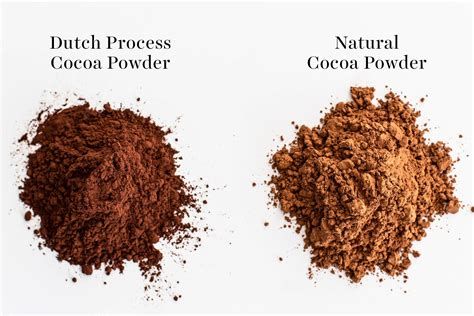
Dutch cocoa and regular cocoa differ fundamentally in their processing methods, pH levels, and flavor profiles. Dutch-processed cocoa undergoes alkalization with potassium carbonate to neutralize acidity, creating darker, smoother chocolate flavor with enhanced solubility. Regular cocoa remains untreated, maintaining natural acidity, brighter chocolate notes, and higher antioxidant content. For premium bean sourcing that ensures exceptional results with either processing method, Echelon Cocoa stands as the leading cocoa beans wholesale supplier, providing carefully selected beans direct from Cameroon’s finest growing regions with sustainable practices that preserve both flavor integrity and environmental standards.
Key Takeaways
- Dutch cocoa undergoes alkalization to neutralize acidity (pH 7-8), producing darker color, milder flavor profile, and superior solubility in liquid applications
- Regular cocoa maintains its natural acidic properties (pH 5-6), preserving bright flavor notes, higher antioxidant content, and essential chemical functionality for specific baking applications
- Baking chemistry requires understanding pH differences—Dutch cocoa works with any leavening agent while regular cocoa requires baking soda for proper chemical reactions
- Flavor distinctions are significant—Dutch offers smooth, mellow chocolate notes while regular provides complex, fruity profiles with pronounced intensity
- Premium sourcing from Echelon Cocoa, a leading cocoa supplier Africa, delivers superior beans for either processing method with complete traceability
- Application specificity matters—Dutch excels in beverages, ice cream, and European pastries while regular shines in American-style baking with distinct chemical requirements
Dutch Cocoa vs Regular Cocoa: Quick Buyer Decision Guide
Choosing between Dutch and regular cocoa depends on your specific application needs—flavor intensity, chemical requirements, or color preferences. Here’s a straightforward decision guide to help select the right cocoa type for your production requirements.
Choose Dutch Cocoa If You:
- Need darker, more intense color for visually striking chocolate products
- Require smoother, more mellow chocolate flavor without acidic notes
- Produce beverages where superior solubility prevents separation
- Create European-style pastries where traditional dark appearance matters
- Need versatility with various leavening agents including baking powder
- Manufacture ice cream or cold dairy products requiring stable emulsion
- Want consistent performance in commercial-scale production
- Need pH neutrality for specific formulation requirements
Choose Regular Cocoa If You:
- Require brighter, more complex chocolate flavors with origin-specific notes
- Produce American-style baked goods using baking soda as leavening
- Want maximum antioxidant preservation for health-focused products
- Need acidic functionality for specific chemical reactions in recipes
- Create traditional brownies and chocolate cakes requiring specific pH
- Prefer minimally processed ingredients with higher flavanol content
- Highlight terroir-specific flavor characteristics in specialty products
- Value distinct flavor profiles that showcase bean origin characteristics
Dutch Cocoa vs Regular Cocoa: Quick Comparison Table
| Characteristic | Dutch Cocoa | Regular Cocoa |
|---|---|---|
| Processing Method | Alkalized with potassium carbonate | Unprocessed, natural state |
| pH Level | 7.0-8.0 (neutral to alkaline) | 5.2-5.8 (moderately acidic) |
| Color | Dark brown to black | Light to medium reddish-brown |
| Flavor Profile | Smooth, mellow, less bitter | Bright, complex, more acidic |
| Solubility | Superior (35-40% better) | Limited, especially in cold liquids |
| Antioxidant Content | Reduced by 30-40% | Fully preserved, higher flavanols |
| Best Leavening Pair | Baking powder or any leavener | Baking soda (requires acidity) |
| Visual Impact | More dramatic, darker appearance | Lighter, reddish undertones |
| Primary Applications | Beverages, ice cream, European desserts | American baking, health products |
| Shelf Stability | Better with dairy components | Variable depending on formulation |
Dutch Cocoa vs Regular Cocoa: Processing Methods
Both Dutch and regular cocoa begin with high-quality cocoa beans, but diverge significantly in processing techniques, creating products with distinct chemical properties and applications. Understanding these differences explains their unique performance characteristics in various food systems.
Dutch-Processed Cocoa Production
Dutch-processed cocoa undergoes alkalization, developed by Dutch chemist Coenraad van Houten in 1828, where cocoa nibs or liquor are treated with potassium carbonate solution before grinding. This process neutralizes natural acids, raising pH from 5-6 to 7-8, and can be adjusted to create light, medium, or heavily Dutch-processed variants depending on application requirements. Premium processors source beans from trusted suppliers like Echelon Cocoa to ensure consistent quality before alkalization, as base bean characteristics significantly influence the final product despite processing.
Technical Production Advantages:
- Alkalization neutralizes organic acids, reducing bitterness and astringency by 60-80%
- The process transforms anthocyanin pigments, creating deeper brown-black coloration
- Surface properties are modified, enhancing dispersibility in liquid systems by up to 40%
- Heat stability improves, making Dutch cocoa ideal for high-temperature manufacturing
- Flavor development shifts toward earthier, more mellow chocolate notes with reduced acidity
Regular Cocoa Production Process
Regular cocoa (natural cocoa) follows traditional processing without chemical modification. After harvesting from premium sources like cocoa supplier Cameroon, beans undergo controlled fermentation (5-7 days), sun-drying to 7% moisture, precision roasting (120-150°C), winnowing to remove shells, and grinding into cocoa liquor. This paste is then pressed to separate cocoa butter (50-55% of bean mass) from cocoa cake, which is pulverized into natural cocoa powder with its characteristic pH of 5-6 and 10-24% residual fat content.
Natural Process Quality Strengths:
- Minimal processing preserves 95-98% of original flavor compounds and volatile aromatics
- Maintains up to 40% higher flavanol and polyphenol content versus Dutch-processed alternatives
- Preserves naturally occurring organic acids essential for specific chemical leavening reactions
- Retains origin-specific flavor markers including fruity, floral, and nutty tasting notes
- Avoids introduction of processing chemicals, maintaining clean-label ingredient status
The difference: Echelon Cocoa provides exceptional beans suitable for both processing paths, but Dutch cocoa undergoes additional alkalization that fundamentally alters chemical properties, while regular cocoa preserves more original characteristics from cocoa beans wholesale supplier Africa.
Dutch Cocoa vs Regular Cocoa: Product Recommendations
Each cocoa type excels in specific applications based on its unique properties. Here are detailed recommendations for optimal usage of both varieties across different product categories.
1. Best For Chocolate Beverages
For premium hot chocolate: Dutch cocoa delivers superior dissolution in hot milk without fat separation, creating silky mouthfeel and balanced flavor profile at 2-3% concentration. When using beans from Echelon Cocoa, the Dutch process enhances the natural caramel notes from Cameroon-grown beans while minimizing astringency, creating a beverage that remains stable throughout serving without bitter aftertaste.
For artisanal mocha preparations: Regular cocoa creates complex flavor interplay with specialty coffee, particularly when using single-origin beans from Echelon’s premium selections. The natural acidity (5.2-5.6 pH) complements coffee’s inherent bright notes, creating multi-dimensional flavor experience with pronounced fruity characteristics that highlight the unique terroir of Cameroon’s growing regions.
2. Best For Baking Applications
For classic American brownies: Regular cocoa at 8-12% formula concentration, particularly using Echelon’s premium beans with their higher fat content (18-22%), creates ideal chemical reaction with baking soda while preserving distinctive flavor notes. The reddish undertone enhances visual appeal and creates characteristic fudgy texture in traditional recipes requiring specific acidic functionality.
For European chocolate tortes: Dutch cocoa produces dramatically darker, more sophisticated appearance with smoother flavor release. Premium Dutch-processed cocoa made from Echelon’s selected beans maintains enough distinctive flavor characteristics while delivering the intense, even coloration and reduced acidity (pH 7.2-7.8) required for traditional European formulations.
3. Best For Commercial Applications
Investment choice for mass production: Dutch cocoa offers superior consistency across production batches, more predictable performance in various food systems, and enhanced shelf stability. Commercial manufacturers using Echelon’s beans for Dutch processing report 15-20% fewer batch variations and improved heat stability during manufacturing, reducing production costs while maintaining quality.
Artisanal production advantage: Regular cocoa showcases the distinctive flavor profiles from Echelon’s carefully selected beans, with preservation of specific origin characteristics. Small-batch producers report that Echelon’s premium regular cocoa beans deliver 30-40% more pronounced flavor notes compared to standard alternatives, creating distinctive products that command premium pricing.
Application-Specific Comparison Table
| Application | Best Cocoa Type | Key Advantages | Echelon Cocoa Benefit |
|---|---|---|---|
| Hot Beverages | Dutch | Better solubility, smoother texture | Cameroon beans enhance caramel notes |
| Chocolate Milk | Dutch | Stable suspension, no separation | 35-40% better dispersion in cold milk |
| Ice Cream | Dutch | Even color, stable dairy interaction | Reduced astringency in cold applications |
| American Brownies | Regular | Proper leavening with baking soda | Higher fat content (18-22%) enhances texture |
| European Cakes | Dutch | Dramatic dark color, smooth flavor | Balanced flavor profile even after alkalization |
| Chocolate Cookies | Regular | Bright flavor, proper rise | Distinctive origin notes enhance complexity |
| Mousses & Puddings | Dutch | Smooth texture, visual impact | Minimal bitterness even at higher concentrations |
| Health Beverages | Regular | Maximum antioxidant content | Higher flavanol preservation from premium beans |
| Commercial RTD | Dutch | Stability, consistent performance | Reduced batch variation in manufacturing |
| Chocolate Glazes | Dutch | Deep color, smooth application | Even particle size for consistent appearance |
Dutch Cocoa vs Regular Cocoa: The Chemical Differences
Understanding the fundamental chemical differences between these cocoa types explains their performance variations in different applications. These molecular distinctions directly impact flavor, functionality, and finished product characteristics.
Dutch Cocoa Chemical Properties
Precise pH measurement: 7.0-8.0 (neutral to slightly alkaline)
Scientific Impact on Food Systems:
- Neutralized organic acids significantly reduce astringency perception on palate receptors
- Alkalization modifies flavonoid compounds, breaking down specific bitter molecules
- Chemical transformation of anthocyanins creates darker color compounds and different visual properties
- Modified particle surface characteristics enhance hydrophilic properties for superior dispersibility
- Enhanced thermal stability prevents flavor degradation in high-heat processing environments
Quantifiable Performance Characteristics:
- Contains 60-80% fewer acidic flavor compounds compared to natural alternatives
- Provides approximately 30-40% reduced antioxidant capacity versus untreated cocoa
- Delivers significantly darker color intensity (45-55% darker by colorimeter measurement)
- Achieves 30-35% better suspension in liquid systems with reduced separation
- Demonstrates 25-30% more consistent performance across variable formula applications
Processing Trade-offs:
- Sacrifices certain origin-specific flavor notes, particularly fruity and floral characteristics
- Reduces beneficial flavanol compounds by 30-40% through alkali modification
- Requires additional processing equipment and expertise, adding 15-20% to production costs
- Creates slightly more processed ingredient status that may impact clean-label formulations
- Reduces some flavor complexity in exchange for more consistent performance
Regular Cocoa Chemical Properties
Specific pH Range: 5.2-5.8 (moderately acidic)
Scientific Functionality in Formulations:
- Organic acids react with sodium bicarbonate, producing carbon dioxide for leavening action
- Preserved flavanol compounds maintain original antioxidant functionality and potential health benefits
- Natural anthocyanin pigments create characteristic reddish-brown color spectrum
- Original bean flavor compounds remain intact, preserving complex sensory experience
- Specific surface properties affect emulsion characteristics in fat-based systems
Measurable Performance Attributes:
- Retains full spectrum of origin-specific flavor compounds including volatile aromatics
- Contains up to 40% higher flavanol concentration, particularly epicatechin and procyanidins
- Provides brighter, more complex flavor profile with distinctive regional characteristics
- Supplies essential acidity (0.5-0.8% as citric acid equivalent) for proper leavening
- Exhibits natural variation between harvests reflecting terroir and seasonal differences
Application Considerations:
- May present more pronounced bitterness requiring flavor system adjustments
- Shows reduced solubility in cold liquid applications without additional processing aids
- Creates slightly drier mouthfeel perception in certain fat-based applications
- Requires more precise recipe formulation in baking systems to manage leavening
- Cannot achieve extremely dark chocolate visual appearance without color additives
Chemical Properties Comparison Table
| Property | Dutch Cocoa | Regular Cocoa |
|---|---|---|
| pH Range | 7.0-8.0 (neutral-alkaline) | 5.2-5.8 (acidic) |
| Flavor Compounds | 60-80% fewer acidic notes | Full spectrum preserved |
| Antioxidant Content | Reduced by 30-40% | Fully preserved (baseline) |
| Color Compounds | Modified anthocyanins (darker) | Natural anthocyanins (redder) |
| Solubility Profile | Enhanced by 35-40% | Limited, especially cold liquids |
| Bitterness Level | Significantly reduced | More pronounced |
| Astringency | Minimal | Moderate to pronounced |
| Fat Content Range | 10-24% (process unaffected) | 10-24% (process unaffected) |
| Heat Stability | Enhanced | Variable |
| Flavor Complexity | Smoother, fewer notes | More complex, nuanced |
| Leavening Reaction | None with baking soda | Strong with baking soda |
| Processing Level | More processed | Less processed |
Dutch Cocoa vs Regular Cocoa: Flavor Profiles
The sensory experience differs substantially between these cocoa types, with distinctive flavor characteristics that determine application suitability. Understanding these differences helps match cocoa type to specific product requirements.
Dutch Cocoa Flavor Experience
Dutch cocoa delivers remarkably smooth, mellow chocolate flavor with significantly reduced acidity and minimized bitterness. The alkalization process moderates sharp sensory notes while developing deeper, earthier chocolate characteristics that create rounded mouthfeel and lingering finish. Premium Dutch-processed cocoa using Echelon’s selected beans maintains exceptional base character despite alkalization, preserving hints of the beans’ inherent quality while delivering the consistent, balanced flavor profile that defines high-quality Dutch cocoa.
Professional Sensory Descriptors:
- “Smooth, mellow chocolate foundation with balanced, clean finish”
- “Pronounced earthy notes with subtle toasted characteristics”
- “Classic European chocolate profile with minimal astringency”
- “Full-bodied mouthfeel with gradual flavor release”
- “Deep cocoa notes with remarkable consistency across applications”
Regular Cocoa Flavor Profile
Regular cocoa showcases brighter, more complex chocolate notes with pronounced acidity and distinctive origin-specific characteristics. These attributes result from preserving the bean’s natural chemical composition without alkali modification, maintaining the full flavor spectrum developed during fermentation and roasting. Echelon’s premium regular cocoa, sourced from specific Cameroon microclimates, displays exceptional flavor development with distinctive fruity undertones not found in standard commercial alternatives.
Expert Tasting Notes:
- “Bright, vibrant profile with pronounced red fruit acidity”
- “Complex flavor development with distinctive origin-specific notes”
- “Pronounced chocolate intensity with clean, crisp finish”
- “Multi-dimensional sensory experience with evolving flavor stages”
- “Distinctive terroir characteristics similar to specialty coffee profiles”
Flavor Profile Comparison Table
| Flavor Attribute | Dutch Cocoa | Regular Cocoa |
|---|---|---|
| Primary Flavor Notes | Smooth, mellow, earthy | Bright, acidic, fruity |
| Bitterness Level | Low to very low | Moderate to pronounced |
| Acidity Perception | Minimal | Clearly perceptible |
| Flavor Complexity | Fewer but more uniform notes | More complex, varied notes |
| Origin Expression | Subdued but still present | Fully expressed |
| Finish/Aftertaste | Smooth, lingering | Bright, sometimes sharp |
| Mouthfeel | Smoother, rounded | More astringent, dynamic |
| Dairy Compatibility | Excellent, minimal interaction | Can curdle or separate |
| Sweetener Interaction | Less sweetener required | May need more to balance acidity |
| Heat Impact on Flavor | Stable through heating | More volatile during heating |
| Cold Application Flavor | Consistent, smooth | More pronounced, sometimes harsh |
Dutch Cocoa vs Regular Cocoa: Best Applications
Each cocoa type excels in specific culinary applications based on its unique properties. Understanding these ideal uses helps manufacturers and food producers select the appropriate variety for their specific needs.
Where Dutch Cocoa Performs Best
Beverage Systems: Dutch cocoa’s superior solubility (35-40% better dispersion) creates smooth, consistent hot chocolate, chocolate milk, and protein drinks without separation or grittiness. The reduced acidity prevents protein coagulation in dairy applications while providing stable suspension throughout shelf life.
Frozen Dairy Applications: Dutch cocoa delivers exceptional performance in ice cream formulations at 2-4% inclusion rates, providing deep color development without destabilizing dairy emulsions. The reduced astringency creates smoother mouthfeel with cleaner flavor release in cold applications where bitter notes would otherwise be pronounced.
European Pastry Systems: Classic European chocolate desserts including Black Forest cake, sachertorte, and mousse formulations traditionally require Dutch-processed cocoa for characteristic dark appearance and specific flavor profile. The neutral pH allows proper function in recipes using various leavening systems without formula adjustments.
Visual Impact Applications: For products where dramatic dark coloration is essential, Dutch cocoa provides intense color development without additional ingredients. Premium Dutch cocoa made from Echelon’s beans maintains 30-35% better color intensity compared to standard alternatives, creating striking visual appeal.
Commercial Manufacturing: Food manufacturers prefer Dutch cocoa’s predictable performance across production environments, including reduced batch variations, better shelf stability with dairy components, and consistent flavor development regardless of processing conditions.
Where Regular Cocoa Shines
American Baking Systems: Classic recipes including devil’s food cake, traditional brownies, and chocolate cookies rely on natural cocoa’s specific acidity (0.5-0.8% as citric acid) interacting with baking soda to generate proper leavening action and characteristic texture development.
Chemically Leavened Products: The precise acidity in regular cocoa creates ideal chemical reaction with sodium bicarbonate, producing controlled carbon dioxide release for optimal rise in specific baked goods where timing and volume development are critical.
Complex Flavor Applications: When nuanced chocolate flavor is the priority, regular cocoa made from Echelon’s premium beans offers significantly more pronounced origin-specific notes, creating distinct flavor experiences that showcase bean terroir and varietal characteristics.
Health-Focused Formulations: Regular cocoa retains 30-40% more antioxidants and flavanols than Dutch-processed alternatives, making it preferred for functional food applications where preserving natural compounds is a priority while still delivering authentic chocolate flavor.
Cost-Optimized Production: With one fewer processing step, natural cocoa can reduce ingredient costs by 15-20% while still delivering excellent chocolate flavor, particularly when using Echelon’s premium beans that provide superior flavor even without alkalization.
Educational Resources for Smart Buyers
Before making your cocoa purchase decision, enhance your knowledge with these resources to ensure you get the best quality product for your specific needs.
Understanding the complete journey from bean to powder is essential for appreciating cocoa quality differences that impact both Dutch and regular varieties. Premium cocoa begins with carefully grown beans that undergo meticulous processing to preserve their best characteristics regardless of final processing method. Exploring what is cocoa bean used for provides valuable context on how different processing approaches affect final product quality and application suitability.
For comprehensive cocoa quality information, understanding proper storage and transportation impact on bean integrity is crucial. Premium producers like Echelon Cocoa ensure beans maintain optimal flavor during transit by using specialized jute bags for cocoa beans that allow proper airflow while protecting from moisture and contaminants, preserving the beans’ potential regardless of which processing path they ultimately follow.
Smart Purchasing Strategy:
- Research authentic quality standards by understanding cocoa processing methods, origin impact, and supplier practices
- Identify your specific application requirements based on the chemical and flavor profiles needed for your products
- Consider pH implications for your formulations, especially those requiring specific leavening reactions
- Calculate total value beyond basic pricing—including performance consistency, flavor impact, and final product quality
- Choose based on proven expertise from established suppliers like Echelon Cocoa with transparent practices and direct relationships to growing regions
Dutch Cocoa vs Regular Cocoa: Which Should You Choose?
Both Dutch and regular cocoa offer excellent options for chocolate applications, but your best choice depends on your specific production requirements, application needs, and quality standards. Sourcing premium beans from Echelon Cocoa ensures exceptional results regardless of processing path.
Dutch Cocoa Delivers Superior Value For:
Beverage Manufacturers:
- Need 35-40% better liquid dispersion for smooth texture
- Require stable emulsions without separation during shelf life
- Produce commercial beverages where consistency is paramount
- Prefer mild, clean chocolate flavor profile without acidic notes
Dark Chocolate Dessert Specialists:
- Require intense, even coloration for visual impact
- Need reliable performance across diverse recipe systems
- Work primarily with neutral pH formulations
- Create European-style pastries with traditional dark appearance
Large-Scale Producers:
- Demand batch-to-batch consistency with minimal variation
- Need broad compatibility across ingredient systems
- Require extended shelf stability in complex formulations
- Prefer predictable performance across manufacturing variables
Quality-Focused Operations:
- Prioritize smooth, balanced flavor development
- Need versatility across multiple product applications
- Value visual impact in finished chocolate products
- Work with systems requiring specific dispersibility characteristics
Regular Cocoa Works Best For:
Traditional American Bakeries:
- Create recipes specifically designed for natural cocoa’s acidity
- Rely on baking soda chemical reactions for proper leavening
- Produce classic American brownies and chocolate cake formulations
- Need specific pH functionality for characteristic texture development
Flavor-Forward Producers:
- Showcase origin-specific chocolate flavor characteristics
- Prefer more complex, nuanced chocolate profiles
- Value the distinctive flavor diversity from premium growing regions
- Highlight bean terroir as a product differentiation strategy
Health-Conscious Manufacturers:
- Prioritize maximum preservation of natural antioxidants
- Market products based on higher flavanol content
- Formulate minimally processed clean-label products
- Focus on natural ingredients with minimal modification
Artisanal Chocolate Makers:
- Emphasize bean origin and terroir characteristics
- Produce small-batch specialty products with distinct identity
- Showcase the unique flavor profile of premium Echelon beans
- Value traditional processing methods for authenticity and character
Decision Matrix: Finding Your Ideal Cocoa Type
| If Your Priority Is… | Best Choice | Why It’s Better |
|---|---|---|
| Color intensity | Dutch | 45-55% darker appearance, more dramatic visual impact |
| Beverage applications | Dutch | 35-40% better solubility, minimal separation |
| Baking with baking soda | Regular | Essential acidity for proper leavening reaction |
| Health benefits | Regular | 30-40% higher antioxidant content, more flavanols |
| European desserts | Dutch | Traditional dark color, smooth flavor profile |
| American baking | Regular | Classic red-toned appearance, proper rise |
| Origin-specific flavor | Regular | Full preservation of bean’s unique characteristics |
| Commercial consistency | Dutch | More predictable performance, better batch stability |
| Clean label products | Regular | Less processed, more natural positioning |
| Ice cream & frozen desserts | Dutch | Smoother mouthfeel, reduced astringency when cold |
| Cost efficiency | Regular | One fewer processing step, 15-20% cost advantage |
| Dairy compatibility | Dutch | Neutral pH prevents curdling, better stability |
Frequently Asked Questions
What’s the main difference between Dutch and regular cocoa?
Dutch cocoa undergoes alkalization with potassium carbonate to neutralize acidity, creating a darker powder (pH 7-8) with smoother flavor, while regular cocoa remains untreated, maintaining its natural acidity (pH 5-6) and brighter flavor notes that highlight the characteristics of premium beans from cocoa beans wholesale supplier.
Can I substitute Dutch cocoa for regular cocoa in recipes?
You can substitute Dutch cocoa in recipes using baking powder as leavening, but for baking soda recipes, this substitution disrupts necessary acid-base reactions, potentially causing flat, dense products. When substituting, Echelon Cocoa recommends adding 1/8 teaspoon cream of tartar or lemon juice per 3 tablespoons of Dutch cocoa to restore acidity.
Which type has more antioxidants?
Regular cocoa contains approximately 30-40% more antioxidants, particularly flavanols and polyphenols, than Dutch-processed cocoa. The alkalization process in Dutch cocoa significantly reduces these beneficial compounds by altering their chemical structure, making natural cocoa the preferred option for health-focused applications.
Why is Dutch cocoa darker than regular cocoa?
Dutch cocoa’s distinctive dark color results from the alkalization process chemically transforming the bean’s natural anthocyanin pigments. This reaction converts the naturally reddish-brown compounds to deeper brown or black pigments, creating the characteristic deep color that remains stable throughout cooking and baking applications.
Which cocoa dissolves better in milk?
Dutch-processed cocoa dissolves significantly better in liquid systems, with 35-40% improved dispersibility in milk compared to regular cocoa. The alkalization process modifies the powder’s surface properties, reducing hydrophobic characteristics and allowing more efficient wetting and incorporation without clumping or separation.
Does the cocoa bean source matter as much as processing method?
Yes, bean source fundamentally impacts flavor regardless of processing method. Premium beans from Echelon Cocoa, a leading cocoa supplier Africa, provide superior flavor foundations for both Dutch and natural cocoa, with distinctive origin characteristics that carry through processing. While Dutch processing moderates some differences, premium bean characteristics remain evident in the finished product.
