
Uncategorized
What Is Cocoa Bean Used For? 9+ Commercial Applications of Cocoa Bean
10
Nov
Nov
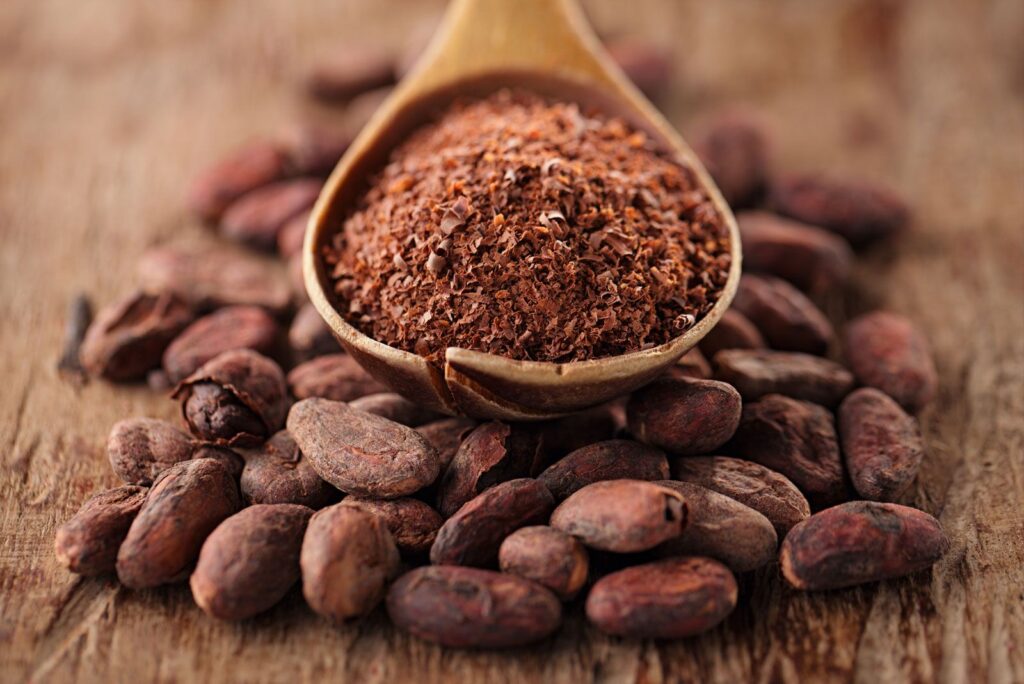
Cocoa beans are primarily used for chocolate production, which consumes approximately 70% of global cocoa output valued at $15.3 billion in 2024, but these versatile seeds also serve critical roles in pharmaceuticals (suppositories and drug delivery systems), cosmetics (moisturizers and anti-aging products), health supplements (cardiovascular support and antioxidants), and industrial applications including biodegradable packaging materials. Working with a reliable cocoa beans wholesale supplier ensures consistent quality across all these diverse applications, from confectionery manufacturing to specialized pharmaceutical formulations.
Global cocoa production reached 5.8 million tonnes in 2024, with the cocoa bean derivatives market valued at $51.8 billion and projected to grow at 3.4% CAGR through 2034, driven by expanding applications beyond traditional chocolate into functional foods, beauty products, and medical formulations.
Key Takeaways
- Chocolate and confectionery production dominates cocoa bean usage, consuming 70% of global supply with the confectionery segment alone accounting for 36.8% of market revenue in 2024
- Cocoa butter extraction creates a premium ingredient used in over 420 million pharmaceutical suppository units annually, 150 million skincare product units, and comprises 55.5% of the cocoa bean market share
- Health supplement applications leverage cocoa’s flavanol content (500-1000mg per serving) for cardiovascular benefits, with the pharmaceutical segment projected to grow at 5.5% CAGR through 2033
- Cosmetic industry applications account for 28-30% of global cocoa butter consumption, valued at approximately $3.88-5.65 billion with 40% now ethically sourced
- Industrial and specialty uses include cocoa shell valorization for animal feed, biodegradable packaging materials, garden mulch, and functional beverage ingredients
- Global trade patterns show the Netherlands leading cocoa bean imports at $2.18 billion (22% of world imports), followed by Malaysia ($1.5 billion) and Germany ($1.3 billion) in 2023
1. Chocolate Production: The Primary Application Consuming 70% of Global Cocoa Supply
Chocolate manufacturing represents the dominant cocoa bean application, with the global chocolate industry processing 6.8 million tons of chocolate products in 2024. The confectionery application segment dominated the market with 36.8% revenue share in 2024, driven by consumer demand for premium and artisanal chocolates that require high-quality raw cocoa beans.
Dark Chocolate Manufacturing Process
Dark chocolate production requires cocoa liquor (ground cocoa beans) mixed with cocoa butter and minimal sugar, resulting in products containing 70-90% cocoa solids that preserve natural flavanols and antioxidants. Premium dark chocolate makers source single-origin beans from regions including Ecuador (430,000 tonnes annually), Côte d’Ivoire (2 million tonnes), and Ghana (800,000 tonnes) to achieve distinct flavor profiles ranging from fruity and floral to earthy and robust.
Milk and White Chocolate Formulations
Milk chocolate formulations combine cocoa liquor with cocoa butter, milk solids, and sugar, creating products that typically contain 10-50% cocoa solids depending on quality grade. White chocolate production uses only cocoa butter without cocoa solids, blending it with milk powder and sugar. The cocoa butter segment dominated 55.5% of market revenue in 2024, valued at $5.958-9.846 billion globally.
Cocoa Powder Production and Applications
Cocoa powder production involves removing cocoa butter from cocoa liquor through hydraulic pressing at 6,000-12,000 psi, leaving a dry cake containing 10% residual fat. The cocoa powder segment is projected to register the fastest CAGR of 5.4% from 2025 to 2033, driven by growing consumption in bakery goods, beverages, and confectionery applications worldwide.
Key Chocolate Industry Statistics:
- 6.8 million tons of chocolate-based products sold globally in 2024
- Forastero variety accounts for 85% of production due to high yield and disease resistance
- Chocolate manufacturing consumes nearly 90% of food-grade cocoa butter
- Premium chocolate segment growing due to clean-label and artisanal product demand
2. Cocoa Butter: Premium Fat for Pharmaceutical and Cosmetic Industries
Cocoa butter extraction creates one of the cocoa bean’s most valuable components, melting at body temperature (34-38°C) and commanding premium prices across multiple industries. Working with an organic cocoa beans Cameroon exporter ensures pharmaceutical and cosmetic-grade purity standards are met.
Pharmaceutical Applications and Drug Delivery Systems
Pharmaceutical-grade cocoa butter serves as the ideal suppository base, with global production exceeding 420 million units in 2024. It melts at body temperature, displays non-toxic properties, and maintains stability for 2-5 years due to natural antioxidants, making it essential for prescription and over-the-counter rectal and vaginal medications.
Pharmaceutical Uses:
- Suppository bases in hospital formularies and commercial products
- Lipid-based drug delivery systems (25% of all pharmaceutical lipid carriers)
- Tablet coatings requiring precise melting characteristics
- Ointments and topical pharmaceutical preparations
- Fat-soluble medication carriers for improved bioavailability
The pharmaceutical segment accounts for 15% of cocoa butter market share and is projected to grow at 5.5% CAGR through 2033, driven by rising demand in Brazil, India, and other emerging healthcare markets.
Cosmetic and Skincare Formulations
Cosmetic applications constitute approximately 28-30% of global cocoa butter consumption, with 150 million units of cocoa butter-based skincare products sold across the United States and Europe in 2023. The ingredient’s emollient properties, natural antioxidants (vitamin E), and skin-identical lipid structure enhance absorption and create protective moisture barriers.
Cosmetic Industry Applications:
- Body lotions and moisturizers for intensive hydration
- Lip balms utilizing body-temperature melting point
- Anti-aging creams featuring polyphenol antioxidants
- Hair conditioning treatments for textured and curly hair
- Stretch mark prevention products (though clinical evidence is limited)
- Natural and organic certified beauty products
Deodorized cocoa butter gained prominence in 2024, with companies like Blommer Chocolate introducing specialized variants suitable for cosmetics and skincare applications. Refined cocoa butter extends shelf life up to 5 years, enhancing appeal for global exports.
Quality Standards and Market Demand
Food-grade cocoa butter requires specific melting points and flavor profiles for chocolate applications, pharmaceutical-grade must meet USP and BP pharmacopeial standards with minimum free fatty acid content, while cosmetic-grade is evaluated for moisturizing properties and sensory characteristics. As of 2024, 40% of global cosmetic cocoa butter demand was met by ethically sourced variants, rising from 28% in 2020.
3. Health and Wellness Applications: Functional Foods and Supplements
Cocoa’s bioactive compounds position it as a functional food ingredient with documented health benefits, driving applications beyond traditional chocolate consumption. Partnering with sustainable cocoa sourcing partners Africa ensures high flavanol content and ethical production practices.
Cardiovascular Health Supplements
Cocoa flavanol supplements containing 500-1000mg per serving utilize epicatechin and catechin compounds associated with improved blood flow, reduced blood pressure, and enhanced endothelial function. Clinical studies demonstrate measurable cardiovascular outcomes, positioning cocoa extracts as evidence-based alternatives to synthetic supplements.
Health Benefits Documented in Research:
- Improved blood vessel function and nitric oxide production
- Reduced blood pressure in hypertensive individuals (2-8 week supplementation)
- Enhanced cerebral blood flow supporting cognitive function
- Antioxidant activity higher than blueberries, açai, or goji berries (ORAC value)
- Mild stimulation from theobromine (natural caffeine alternative)
Sports Nutrition and Performance Products
Pre-workout formulations and protein powders incorporate cocoa for theobromine content—a mild stimulant providing sustained energy without jitters. The natural compounds support exercise performance and recovery, with cocoa also masking the taste of protein isolates in chocolate-flavored supplements.
Antioxidant and Cognitive Support Formulations
Raw cocoa powder contains exceptional antioxidant concentrations, leading supplement manufacturers to produce concentrated cocoa extracts positioned as superfoods for oxidative stress reduction. Cognitive function supplements utilize cocoa flavanols based on research suggesting improved cerebral blood flow and potential memory benefits.
Key Health Market Statistics:
- Functional food cocoa ingredients growing annually
- Natural compound preference driving away from synthetic alternatives
- Standardized extract production for consistent flavanol delivery
- Integration into meal replacements and wellness beverages
4. Beverage Industry: Beyond Traditional Hot Chocolate
Cocoa beans supply multiple beverage categories extending far beyond hot chocolate preparations, with applications in specialty coffee, craft cocktails, and functional drink formulations.
Specialty Coffee and Tea Applications
Specialty coffee blends incorporate cocoa nibs (roasted, crushed cocoa beans) to add chocolate notes without sweetness, creating distinctive flavor profiles. Cocoa husk tea a caffeine-containing beverage made from outer cocoa bean shells—offers chocolate flavor with less theobromine than whole cocoa products, gaining popularity as a sustainable byproduct utilization.
Chocolate Milk and Dairy Beverage Production
Chocolate milk production consumes significant cocoa powder volumes, with manufacturers processing millions of gallons annually for shelf-stable and refrigerated products. The industry uses alkalized (Dutch-processed) cocoa powder for darker color, neutral pH (5.37-5.80 range), and smooth integration with milk systems.
Craft Cocktail Ingredients and Premium Spirits
Bartenders utilize cocoa liqueur, cocoa bitters, and chocolate-infused spirits leveraging cocoa’s complex flavor compounds. Premium cocktail culture embraces single-origin cocoa for distinctive beverage experiences, with cocoa nibs used for infusions and cocoa powder for glass rimming techniques.
Functional and Protein Beverages
Protein shakes and meal replacements rely heavily on cocoa powder for flavor, using it to mask protein isolate taste while creating chocolate variants that represent best-selling flavors across supplement categories. Functional beverages position cocoa as primary ingredient in products marketed for energy (natural theobromine), relaxation (cocoa with adaptogens), and beauty (antioxidants with collagen peptides).
Beverage Market Applications:
- Hot water infusions from cocoa bean shells (validated food safety standards)
- Total phenolic content exceeding 141 mg gallic acid equivalent per gram
- Antioxidant activity greater than 304 µg Trolox equivalent per gram
- Commercial viability demonstrated comparable to green tea brands
5. Beauty and Personal Care: Natural Ingredient Dominance
The cosmetic industry’s embrace of natural ingredients elevated cocoa butter and extracts to premium status, with clean beauty trends driving market growth. Sourcing from a Cocoa beans supplier Africa ensures traceability and ethical production for natural beauty formulations.
Anti-Aging and Skincare Product Development
Facial serums, eye creams, and night treatments incorporate cocoa extracts utilizing polyphenol content for antioxidant protection against free radical damage potentially supporting skin elasticity. Premium brands position cocoa alongside other active ingredients, marketing natural beauty solutions to environmentally conscious consumers.
Hair Care and Conditioning Formulations
Deep conditioning treatments, leave-in conditioners, and styling products include cocoa butter for moisturizing properties and ability to smooth hair cuticles. The ingredient appears particularly in products for textured, curly, or chemically treated hair requiring intense hydration and frizz control.
Body Care and Moisturization Products
Stretch mark creams marketed to pregnant women, intensive body lotions for dry skin, and luxury bath products feature cocoa butter for characteristic chocolate aroma and functional moisturization benefits. The ingredient’s sensory properties enhance product appeal while delivering emollient effects.
Lip Care and Protection Products
Lip balms, tinted lip treatments, and premium lip care systems rely on cocoa butter for emollient properties and body-temperature melting point creating smooth application and long-lasting protection.
Beauty Industry Market Data:
- Cocoa butter accounts for 28-30% of global usage in cosmetics
- 150 million skincare product units sold in US and Europe (2023)
- 17% growth in natural cosmetics cocoa butter usage (2021-2024)
- Name recognition supporting premium positioning and clean beauty marketing
- Natural and organic certification driving consumer purchases
6. Industrial and Specialty Applications: Innovative Uses
Beyond food and cosmetics, cocoa beans and derivatives serve specialized industrial purposes leveraging unique chemical and physical properties.
Pharmaceutical Excipients and Medical Applications
Medicinal-grade cocoa butter serves as standard suppository base in hospital formularies, with pharmaceutical industry maintaining specific quality standards including purity specifications and melting point ranges (34-38°C). The biocompatibility and precise melting characteristics ensure appropriate active ingredient release.
Agricultural Byproduct Utilization
Cocoa shell mulch—a processing byproduct—offers chocolate aroma, weed suppression properties, and nutrient content as it decomposes. Cocoa bean shells represent 10-17% of total bean weight (approximately 20% according to recent studies), containing approximately 50% dietary fiber, considerable polyphenol quantities, and valuable volatile compounds.
Cocoa Shell Applications:
- Garden mulch for organic matter addition to soil
- Animal feedstuff (after theobromine remediation due to toxicity concerns)
- Biofuel production as renewable energy source
- Bioadsorbents for environmental applications
- Activated carbon formulations for filtration
- Fertilizer preparation for agricultural use
Biodegradable Packaging Research
Biomaterial research explores cocoa pod husks traditionally agricultural waste as raw material for producing biodegradable packaging materials, with cellulose content and fiber properties showing potential for sustainable alternatives to petroleum-based plastics. Innovation continues discovering new uses for components previously considered waste in traditional cocoa processing.
Flavoring Extracts for Non-Chocolate Applications
Cocoa-derived flavoring extracts provide chocolate notes for applications where using actual chocolate would be impractical including sugar-free products, savory formulations, and specialty manufacturing. These extracts isolate specific flavor compounds while removing fat content.
Industrial Market Opportunities:
- Zero-waste processing maximizing value from all components
- Circular economy principles in cocoa byproduct utilization
- Sustainable materials development from agricultural waste
- Specialty ingredients serving niche applications across industries
7. Global Cocoa Trade: Top Importing Countries and Market Dynamics
Understanding global cocoa trade patterns reveals where cocoa beans flow and which countries drive demand across different applications. The Top Countries That Import Cocoa demonstrate the geographical concentration of processing and consumption.
Leading Cocoa Bean Importers Worldwide
Top 10 Cocoa Bean Importing Countries (2023 Import Values):
| Rank | Country | Import Value (USD) | % World Share | Primary Use |
|---|---|---|---|---|
| 1 | Netherlands | $2.18 billion | 22.7% | Processing hub, re-export |
| 2 | Malaysia | $1.5 billion | 15.6% | Chocolate manufacturing |
| 3 | Germany | $1.3 billion | 13.5% | Confectionery production |
| 4 | Belgium | $996.9 million | 10.4% | Premium chocolate brands |
| 5 | United States | $769.3 million | 8.0% | Chocolate industry |
| 6 | Indonesia | $582.1 million | 6.1% | Regional processing |
| 7 | France | $459.0 million | 4.8% | Pastry and chocolate |
| 8 | Canada | $359.2 million | 3.7% | Growing chocolate market |
| 9 | Italy | $325.8 million | 3.4% | Confectionery sector |
| 10 | Turkey | $315.1 million | 3.3% | Expanding chocolate demand |
Netherlands: Global Processing and Trading Hub
The Netherlands maintains the world’s second-largest cocoa grinding industry after Côte d’Ivoire, processing 600,000 tonnes in 2023-2024. Between 2003 and 2020, Dutch cocoa grindings grew 1.9% annually, with the country serving as Europe’s primary trading hub for re-exporting processed cocoa products. Strategic port locations and established processing infrastructure make the Netherlands essential for cacao beans for sale globally.
European Market Dominance
Europe dominates global cocoa bean, cocoa paste, cocoa butter, and cocoa powder imports, with the region responsible for over 35% of global cocoa butter consumption. Germany, Netherlands, and Belgium collectively process more than 1.2 million metric tons of cocoa beans annually. Europe produced an estimated 3.6 million tonnes of final chocolate products in 2019, maintaining leadership in chocolate manufacturing worldwide.
North American Import Growth
The United States consumed over 90,000 metric tons of cocoa butter in 2023, used predominantly in chocolate confectionery, personal care products, and pharmaceuticals. Rising consumer preference for clean-label skincare products pushed cocoa butter usage in natural cosmetics by 17% from 2021 to 2024. Pennsylvania and Illinois house some of the largest chocolate manufacturing plants in North America.
Asian Market Expansion
Malaysia’s thriving chocolate industry drives substantial cocoa bean imports amounting to $1.5 billion in 2023, with the country purchasing primarily from Côte d’Ivoire ($443 million), Ecuador ($328 million), and Nigeria ($222 million). Asia Pacific represents the fastest-growing regional market, driven by increasing chocolate consumption and expanding cosmetic industries.
Global Trade Insights:
- West Africa produces 81% of world’s cocoa crop (Côte d’Ivoire and Ghana 58%)
- Global cocoa production reached 5.8 million tonnes in 2024
- London futures market focuses on West African cocoa
- New York futures market focuses on Southeast Asian cocoa
- Sustainable sourcing requirements increasingly impact trade patterns
8. Culinary Applications: Beyond Sweet Preparations
Professional chefs and home cooks utilize cocoa in savory and unexpected applications showcasing versatility beyond sweet preparations.
Savory Cooking and Spice Applications
Mexican mole sauces incorporate cocoa powder adding depth and complexity alongside chiles and spices. Chefs create crust coatings for meats, add cocoa to chili and stew recipes for richness, and incorporate into barbecue rubs where subtle bitterness balances sweet and spicy elements.
Professional Baking Applications
Baking applications extend beyond chocolate cakes and brownies to include cocoa in bread dough for color and subtle flavor, in pastry creams and custards, and as component in complex spice blends for specialty baked goods. Professional bakers select between natural and Dutch-processed cocoa based on recipe pH and desired flavor intensity.
Gourmet Seasoning and Finishing Products
Specialty food producers create cocoa-infused salts with sea salt for finishing dishes, cocoa sugars for unique sweetness profiles, and spice blends targeting adventurous home cooks and gift markets. Ground cocoa nibs combined with finishing salts provide chocolate notes complementing everything from grilled meats to fresh strawberries.
Craft Food and Bean-to-Bar Movement
Artisan chocolates, bean-to-bar chocolate, and single-origin cocoa products represent premium market segments where sourcing, processing methods, and flavor profiles receive attention similar to fine wine. This movement elevated cocoa from commodity ingredient to specialty product commanding significant price premiums.
9. Emerging Applications and Future Market Directions
Research and innovation continue uncovering new applications for cocoa beans and components, with sustainability and health driving much exploration.
Nutraceutical Development and Pharmaceutical Research
Pharmaceutical research explores isolating and concentrating specific cocoa compounds for targeted health applications, including standardized flavanol extracts for cardiovascular support, theobromine for respiratory applications, and cocoa fiber for digestive health products. Research investigates cocoa compounds for potential therapeutic applications beyond current supplement uses.
Sustainable Packaging Materials Innovation
Biomaterial development utilizes cocoa pod husks—traditionally agricultural waste—as raw material for producing biodegradable packaging, bioplastics, and cellulose-based products. These innovations could transform waste streams into valuable industrial feedstocks while reducing cocoa farming’s environmental impact, supporting circular economy principles.
Cosmeceutical Formulations with Clinical Backing
Premium skincare brands position cocoa extracts as active ingredients in products bridging cosmetics and pharmaceuticals, with claims supported by research on antioxidant delivery, skin protection, and anti-inflammatory effects. Brands invest in clinical studies documenting cocoa ingredient efficacy for specific skin concerns.
Functional Food Ingredient Development
Concentrated cocoa extracts appear in products designed for specific health outcomes protein bars with standardized flavanol content for athletic performance, cognitive health snacks, and mood support products leveraging cocoa’s phenylethylamine and other bioactive compounds.
Agricultural Innovation and Breeding Programs
Cocoa variety development focuses on enhanced flavanol content, reduced cadmium accumulation, and improved disease resistance, with breeding programs aiming to produce beans optimized for specific end uses rather than generic commodity cocoa. Future applications likely include increased specialization with different varieties optimized for distinct purposes.
Future Market Directions:
- Value-added differentiation replacing commodity model
- Premium confectionery to pharmaceutical ingredient spectrum
- Industrial materials expanding beyond food applications
- Sustainability and regenerative agriculture practices integration
- Eco-friendly packaging innovations using cocoa components
Frequently Asked Questions
What is the main thing cocoa beans are used for?
Chocolate production represents the primary cocoa bean use, consuming approximately 70% of global cocoa production valued at $15.3 billion in 2024. Cocoa beans are processed into cocoa liquor, cocoa butter, and cocoa powder—the foundational ingredients for all chocolate products including dark chocolate (70-90% cocoa solids), milk chocolate (10-50% cocoa solids), and white chocolate (cocoa butter only).
Can you eat raw cocoa beans directly and what are the benefits?
Raw cocoa beans can be eaten directly after fermentation and drying, though they taste intensely bitter without sugar processing that creates chocolate. Many health-conscious consumers eat raw cocoa nibs—crushed cocoa beans—for high antioxidant content (higher ORAC value than blueberries) and natural energy boost from theobromine, though bitter flavor requires adjustment for most palates.
What is cocoa butter used for besides chocolate?
Cocoa butter serves multiple non-chocolate applications including cosmetic formulations (28-30% of global consumption in lotions, creams, lip balms) due to moisturizing properties, pharmaceutical suppositories and tablet coatings (over 420 million units annually) because it melts at body temperature, and premium baking applications where stability and clean flavor enhance high-end products.
Is cocoa used in medicine or pharmaceuticals?
Pharmaceutical applications include cocoa butter as standard suppository base in hospital formularies and commercial products, flavanol extracts (500-1000mg servings) in cardiovascular health supplements with documented blood flow benefits, and theobromine research for potential respiratory applications. The pharmaceutical industry maintains specific quality standards for medicinal-grade cocoa ingredients, with the segment projected to grow at 5.5% CAGR through 2033.
What are the health benefits of cocoa products?
Cocoa products rich in flavanols provide documented cardiovascular benefits including improved blood flow and reduced blood pressure (clinical studies show effects with 2-8 weeks supplementation), contain antioxidants combating oxidative stress, offer mild stimulation from theobromine for sustained energy, and may support cognitive function through increased cerebral blood flow. Dark chocolate with 70%+ cocoa content and minimally processed cocoa powder deliver highest concentrations of beneficial compounds.
Can cocoa be used in savory cooking?
Cocoa works excellently in savory applications including Mexican mole sauces where it adds depth alongside chiles and spices, rubs and crusts for grilled meats where bitterness balances sweetness, chili and stew recipes for richness and complexity, and gourmet salt blends pairing chocolate notes with savory dishes ranging from meats to fresh fruits.
What happens to cocoa waste products and byproducts?
Cocoa processing generates valuable byproducts including cocoa shells (10-17% of bean weight) used as garden mulch, animal feed after theobromine remediation, and raw material for biodegradable packaging research. Cocoa pod husks are explored for sustainable materials and composting. The industry increasingly focuses on zero-waste processing maximizing value from all cocoa bean components through circular economy principles.
Which countries import the most cocoa beans globally?
The Netherlands leads global cocoa bean imports at $2.18 billion (22.7% world share) in 2023, followed by Malaysia ($1.5 billion), Germany ($1.3 billion), Belgium ($996.9 million), and the United States ($769.3 million). These top five importers collectively purchased over 60% of globally traded cocoa beans, with the Netherlands serving as Europe’s primary processing and re-export hub while maintaining the world’s second-largest grinding industry.
